
Mary Ellen Hettinger—GHC Volunteer Staff Writer
For centuries, plant medicine was the mainstay of healing—from Amazonian ethnobotanicals to Traditional Chinese Medicine. In fact, many of today’s pharmaceuticals trace their origins back to plants; think of aspirin, which comes from willow bark.
Although mental illness is serious and requires an array of medical interventions, there are nature-based remedies that may help ease symptoms such as pain, support stress relief, encourage restorative sleep, and even act as natural mood boosters.
Important: Individuals diagnosed with a mental illness should always consult their healthcare provider before trying complementary therapies. Prescription treatments should never be discontinued without medical guidance. Some natural remedies can interact with medications, reducing effectiveness or causing harm.
The Role of Essential Oils
GHC founding member Leslie Rice of Botanic Aromatics notes that essential oils, when selected and used properly, can support mood, restful sleep, and joint comfort.
Rice explains:
“Essential oils are celebrated for their myriad therapeutic benefits and enchanting fragrances in aromatherapy and holistic wellness. However, navigating the vast market can be daunting, especially with concerns about quality, purity, and ethical sourcing.”
She recommends focusing on botanical names, origin, cultivation practices, extraction methods, testing, sustainability, and ethics when selecting oils. Or, she adds, choose a trusted source like Botanic Aromatics, which does this vetting for you.
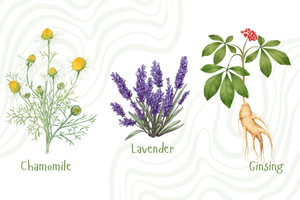
Quick Guide: Plant-Based Mood Support
Chamomile (German, Matricaria chamomilla)
May ease anxiety and depression while promoting better sleep.
Lavender Essential Oil
Used in aromatherapy for relaxation; studies suggest benefits for mild to moderate depression.
St. John’s Wort
Traditionally used for depression, but can interact with many medications—consult a provider first.
Ginseng (American & Asian)
Ginsenosides may support mood balance by influencing neurotransmitters.
Traditional and Herbal Remedies
St. John’s Wort – A traditional remedy for depression. According to the National Institutes of Health (NIH), it may help short-term, but long-term effects are less clear. It can also reduce the effectiveness of certain prescriptions, including birth control, heart medications, and blood thinners. (Zhou,et al., 2004)
Ginseng (American and Asian) – Contains ginsenosides, which influence neurotransmitters that affect mood. Research suggests this may offer antidepressant effects (Jin et al., 2019).
Chamomile – Known for soothing colicky babies and easing menstrual pain, chamomile tea is also used for anxiety and sleep. German chamomile (Matricaria chamomilla) may be especially beneficial for depression and anxiety.
-
-
A 2020 study of 179 participants with generalized anxiety disorder found that 1,500 mg of German chamomile extract daily for 8 weeks significantly reduced symptoms—especially in those who also had depression.
-
Lavender Essential Oil – Familiar from sachets and teas, lavender oil is also inhaled or applied in aromatherapy. A 2020 review of nine studies found evidence that lavender essential oil may provide complementary support for mild to moderate depression.
A Note on Safety
A pill, powder, potion, tisane, or tea may be labeled “all-natural” or “herbal,” but this doesn’t mean it is safe or effective. In the U.S., the Food and Drug Administration (FDA) does not regulate supplements the same way it regulates drugs.
Quality may vary, ingredients may not match labels, and products may include unlabeled compounds. If you take any medicine regularly, check with your healthcare provider before adding supplements or herbal remedies.
References
Jin, Y., Cui, R., Zhao, L., Fan, J., & Li, B. (2019, November). Mechanisms of Panax ginseng action as an antidepressant. Cell Proliferation, 52(6), e12696. https://doi.org/10.1111/cpr.12696
National Center for Complementary and Integrative Health. (n.d.). St. John’s wort: Usefulness and safety. U.S. Department of Health and Human Services. https://www.nccih.nih.gov/health/st-johns-wort NCCIH
Zhou, S., Chan, E., Pan, S.-Q., Huang, M., & Lee, E. J. (2004). Pharmacokinetic interactions of drugs with St John’s wort. Journal of Psychopharmacology, 18(2), 262–276. https://doi.org/10.1177/0269881104042632
Disclaimer: The information shared in Greensboro Holistic Collective posts is intended for educational and informational purposes only. It is not a substitute for professional medical, mental health, or legal advice, diagnosis, or treatment. Always seek the guidance of a qualified healthcare provider or professional with any questions you may have regarding your health, well-being, or specific situation. Never disregard or delay seeking professional advice because of information you read here. Greensboro Holistic Collective does not endorse any specific practitioners, services, or products mentioned, and participation in any activities is at your own discretion.
Join Our Community Newsletter
Local events, wellness insights, and offerings—occasional, thoughtful, spam-free.
We respect your privacy. Privacy Policy