Mary Ellen Hettinger—GHC Volunteer Staff Writer
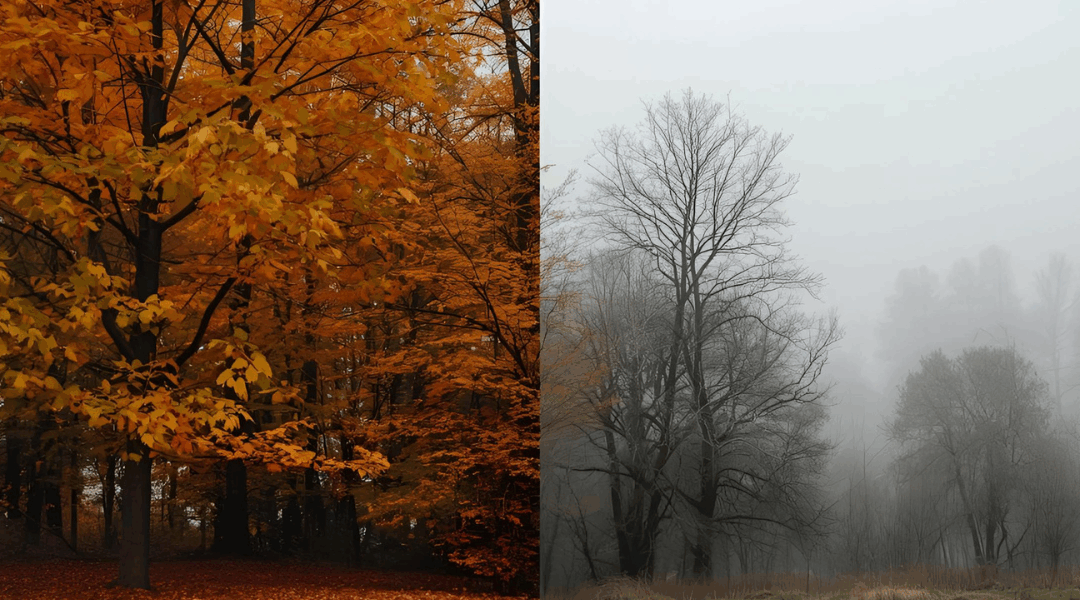
While many find renewed energy in fall’s first cool evenings, looking forward to leaf-peeping and pumpkin-spice everything, for someone with seasonal affective disorder (SAD), earlier sunsets and falling leaves can be a source of dread and anxiety.
SAD is a type of depression related to changes in seasons, beginning and ending at about the same time each year—typically fall into winter. Your energy flags, you feel moody, and you may feel listless. Symptoms can include oversleeping, appetite changes (overeating and weight gain, or lack of appetite), fatigue, crankiness, and loss of interest in once-enjoyed activities. In more severe cases, symptoms may include hopelessness and even suicidal thoughts. (The latter is always an emergency requiring immediate help.)
Causes and Contributing Factors
The exact cause of SAD is unknown, but several biological processes play a role:
- Circadian rhythm disruption. Reduced sunlight in fall and winter can upset the body’s internal biological clock, leading to depression and poor sleep patterns.
- Serotonin levels. Reduced sunlight can cause a drop in serotonin, a brain chemical that regulates mood. This is strongly linked to depression (Anglin et al., 2013).
- Melatonin imbalance. Seasonal changes affect melatonin production, which influences both mood and sleep (Partonen & Magnusson, 2017).
- Vitamin D deficiency. Lower sunlight exposure reduces vitamin D synthesis in the skin, and low vitamin D levels are correlated with depression and SAD (Anglin et al., 2013).
Who Is at Risk?
SAD is more common in women than men, and more often diagnosed in younger adults. People with a personal or family history of depression or bipolar disorder are at greater risk. Low vitamin D levels may also increase susceptibility (Anglin et al., 2013).
Evidence-Based Treatments
SAD can worsen over time if untreated, leading to isolation, substance abuse, and severe depression. Fortunately, multiple evidence-based treatments are available:
-
Light therapy (phototherapy). Daily exposure to a bright light that mimics sunlight is one of the most effective and widely used treatments. A meta-analysis showed significant improvement in depressive symptoms with light therapy compared to placebo (Golden et al., 2005).
-
Cognitive Behavioral Therapy (CBT). A specialized version of CBT for SAD helps people reframe negative thought patterns and has been shown to reduce relapse more effectively than light therapy alone (Rohan et al., 2015).
-
Medication. Antidepressants, especially SSRIs, may be prescribed to support serotonin balance.
-
Lifestyle approaches. Regular exercise, stress reduction, and maintaining healthy sleep patterns can reduce symptom severity.
Currently, there is no proven way to prevent SAD, but self-awareness and proactive stress management can help reduce its impact. If depression deepens or hopelessness arises, professional help should be sought immediately.
References
Anglin, R. E. S., Samaan, Z., Walter, S. D., & McDonald, S. D. (2013). Vitamin D deficiency and depression in adults: Systematic review and meta-analysis. The British Journal of Psychiatry, 202(2), 100–107. https://doi.org/10.1192/bjp.bp.111.106666
Golden, R. N., Gaynes, B. N., Ekstrom, R. D., Hamer, R. M., Jacobsen, F. M., Suppes, T., … & Nemeroff, C. B. (2005). The efficacy of light therapy in the treatment of mood disorders: A meta-analysis of randomized controlled trials. American Journal of Psychiatry, 162(4), 656–662. https://doi.org/10.1176/appi.ajp.162.4.656
Partonen, T., & Magnusson, A. (2017). Seasonal affective disorder: Practice and research. Psychiatry Research, 255, 507–510. https://doi.org/10.1016/j.psychres.2017.01.109
Rohan, K. J., Meyerhoff, J., Ho, S. Y., Evans, M., Postolache, T. T., Vacek, P. M., … & Sitnikov, L. (2015). Outcomes one and two winters following cognitive-behavioral therapy or light therapy for seasonal affective disorder. American Journal of Psychiatry, 172(9), 862–869. https://doi.org/10.1176/appi.ajp.2015.14101293
Disclaimer: The information shared in Greensboro Holistic Collective posts is intended for educational and informational purposes only. It is not a substitute for professional medical, mental health, or legal advice, diagnosis, or treatment. Always seek the guidance of a qualified healthcare provider or professional with any questions you may have regarding your health, well-being, or specific situation. Never disregard or delay seeking professional advice because of information you read here. Greensboro Holistic Collective does not endorse any specific practitioners, services, or products mentioned, and participation in any activities is at your own discretion.
Join Our Community Newsletter
Local events, wellness insights, and offerings—occasional, thoughtful, spam-free.
We respect your privacy. Privacy Policy